

The "Fiber Gap": Are you missing out on metabolic health?

Central Coast Live Foods
@krautkrackers
Does eating more fiber prevent chronic disease?
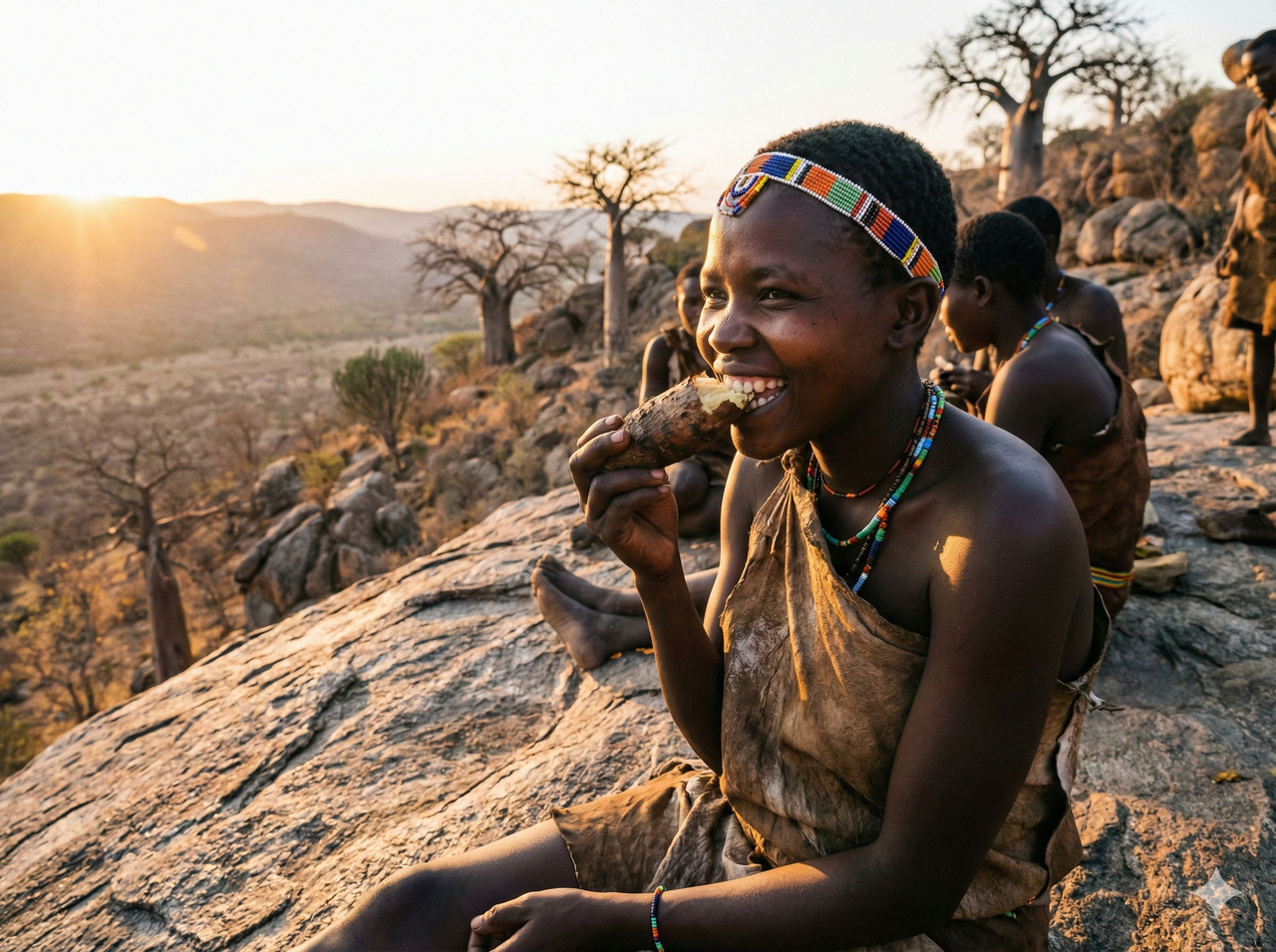
The Hadza, one of the last remaining hunter gatherer tribes in the world, consume over 100 grams of fiber per day from tubers, berries, baobab fruit, and honey. The average American on the other hand, consumes less than 20 grams per day.
The table below compares chronic disease rates among the Hadza compared to those of Americans:
Chronic Disease
Hadza
Americans
Obsesity
<5%
~42%
Arthritis
Virtually nonexistent
~20%
Type 2 Diabetes
<2%
11.6%
Pre Diabetes
Virtually nonexistent
~35%
Hypertension
<30% (Age 60+)
>60%(Age 60+)
Heart Disease
<10%
~45% of all deaths
Cancer
Virutally nonexistant
~40% lifetime incidence
Scientists believe several factors contribute to these low rates of “Western diseases” among the Hadza:
Microbiome Diversity: The Hadza have one of the most diverse gut microbiomes ever recorded. This "internal ecosystem" is thought to prime the immune system and reduce the inflammation that often triggers cancer.
Dietary Fiber: Their diet is incredibly high in fiber (consuming up to 100–150 grams per day compared to the Western average of 15 grams). High fiber intake is strongly linked to lower rates of colorectal cancers.
Physical Activity: Hadza adults are physically active for several hours every day, which helps maintain metabolic health and hormonal balance.
Low Sugar/Processed Food: Their diet consists of wild tubers, berries, honey, and lean game meat, with no access to the refined sugars and processed fats common in Western diets.
The USDA recommends that Americans consume at least 25 grams of fiber per day to reduce risk of heart disease. But 25 grams is a floor, not a ceiling. Studies show that disease risk continues to decline as fiber intake increases—benefits don't plateau at the minimum recommendation.
Moving from 15 grams to 30 is meaningful. Moving from 30 to 50 is better. Every increase shifts your gut microbiome, stabilizes blood sugar, and reduces inflammation.
The challenge is finding whole-food sources of fiber that are practical and enjoyable. Researchers almost universally agree that fiber from whole plants is superior to fiber from supplements, which cannot replicate the complex biological benefits of whole foods.
Closing the "fiber gap" doesn't have to be a chore. While reaching Hadza-level intake might seem daunting, Kraut Krackers make it easy to push past the minimums and toward optimal health.
By utilizing the dense fiber found in organic cabbage, beets, and flaxseeds, our crackers provide a crunchy, satisfying way to significantly boost your daily grams without reaching for a supplement bottle.
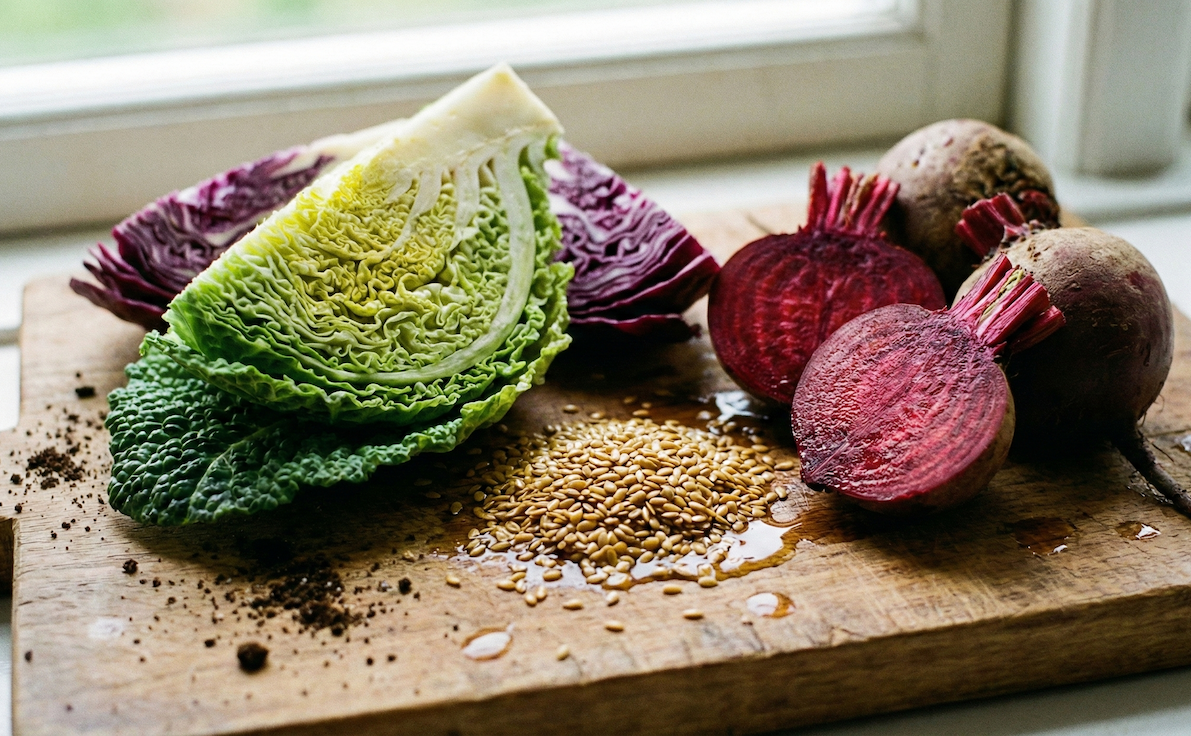
Kraut Krackers are made from organic cabbage, beets, and flaxseeds.

Whether you’re dipping them into hummus or enjoying them on the go, every serving of Kraut Krackers helps you move closer to a more resilient gut and a healthier metabolic profile. Start treating your microbiome to the whole-food fiber it craves—one delicious crunch at a time.